Hello fellow skaters! Welcome back to the Inlinex blog, your go-to source for all things inline skating in Singapore. With 1,077 glowing Google Reviews and a solid 4.9-star rating, we pride ourselves on being Singapore’s premier inline skate shop, and today, we're tackling arguably the most important skill in inline skating: stopping. Because let's be real, going fast is fun, but knowing how to stop on command? That's what keeps you safe and confident on your wheels!
So, how do you stop on inline skates? The most common and easiest way for beginners to stop is using the heel brake, which involves extending one foot forward with the brake pad touching the ground to create friction and slow you down. Mastering this and other techniques is crucial for safe and enjoyable skating.
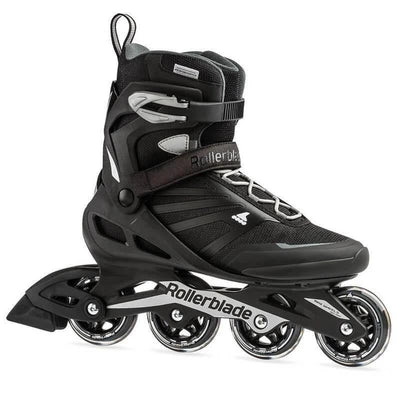
Whether you're just starting out on your Rollerblade Macroblades or pushing your limits on a pair of Powerslide Next skates, understanding how to control your speed and stop effectively is paramount. Let's dive into five essential braking techniques that every inline skater should know.
1. The Essential Heel Brake Technique (Your First Stop)

The heel brake is your best friend when you're first learning how to stop on inline skates. Almost all recreational skates, like the Rollerblade Macroblade 80 or the Powerslide Phuzion Argon 100, come equipped with one. It’s designed for simplicity and effectiveness, making it ideal for beginners.
How to Execute the Heel Brake
- Get into Position: Skate with your feet parallel, about shoulder-width apart. Maintain a slight bend in your knees and lean slightly forward.
- Shift Weight: Gently shift about 80% of your body weight onto your non-braking foot (the foot without the brake).
- Extend Braking Foot: Extend your braking foot forward, keeping the skate flat on the ground initially.
- Lift Toes, Drop Heel: Lift the toes of your braking foot, dropping your heel down so that the rubber brake pad makes firm contact with the ground.
- Apply Pressure: Apply steady, firm pressure through your heel. The more pressure you apply, the faster you will slow down.
- Maintain Balance: Keep your arms out for balance and your eyes focused forward. Don't look down at your feet!
- Stop: Continue applying pressure until you come to a complete stop.
Practical Tips:
- Start by practicing on a very gentle slope or a flat surface with plenty of space.
- Don't lean back when using the heel brake; this can cause you to lose balance. Lean slightly forward over your non-braking foot.
- Regularly check your heel brake pad for wear. A worn-out pad is less effective and needs replacing. We stock replacement pads for most major brands here at Inlinex!
Pros: Easiest for beginners, very effective for controlled stops, great for managing speed on downhills. Cons: Can feel awkward initially, wears down the brake pad (which needs replacement), not ideal for quick, emergency stops in tight spaces.
2. The T-Stop (Intermediate Control & Style)
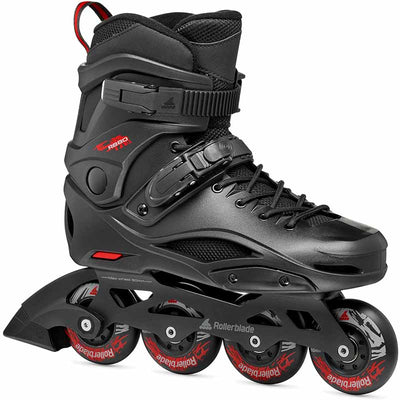
Once you’re comfortable with the heel brake, the T-stop is your next step in mastering inline skate braking. It’s a fundamental technique for intermediate skaters and offers more control, especially useful for urban skating on skates like the FR FRX 80 or Flying Eagle F5S Eclipse. It doesn't require a heel brake and saves your brake pad from wear!
Mastering the T-Stop
- Gain Speed: Skate at a moderate speed, maintaining a balanced, athletic stance.
- Shift Weight: Transfer most of your weight onto your front, non-braking foot.
- Drag Braking Foot: Lift your back foot (your braking foot) and place it behind your front foot, perpendicular to it, forming a "T" shape.
- Apply Pressure: Gently drag the wheels of your braking foot sideways on the ground. Start with light pressure and gradually increase it. All four wheels should be making contact.
- Keep Skates Perpendicular: Ensure your braking foot remains perpendicular to your direction of travel. If it rotates too much, you might lose balance or catch an edge.
- Look Forward: Keep your head up and eyes looking in the direction you want to go.
- Stop: Continue dragging until you slow down or stop completely.
Practical Tips:
- Practice on smooth, flat surfaces first.
- The key is gradual pressure. Don't slam your foot down; it can cause you to spin out or lose balance.
- Alternate which foot you use as your braking foot to wear your wheels evenly. This is good for extending the life of your inline skate wheels.
- Keep your knees bent and core engaged for stability.
Pros: Excellent control, no heel brake required, looks stylish, useful in many situations. Cons: Can wear down your wheels unevenly if not alternated, takes practice to master, less effective for very high speeds or emergency stops.
3. The Plow Stop / Snowplow Stop (Another Beginner-Friendly Option)

The plow stop, also known as the snowplow stop, is another excellent technique for beginners, especially those familiar with ice skating or skiing. It's a natural and intuitive way to slow down and stop, often used in conjunction with or as an alternative to the heel brake for initial speed control.
Executing the Plow Stop
- Skate Forward: Maintain a comfortable speed with your feet parallel.
- Widen Stance: Gently push your heels outwards, allowing your toes to point inward. Your feet will form an "A" shape.
- Bend Knees: Deeply bend your knees and squat slightly, keeping your weight centered and your upper body upright.
- Apply Edge Pressure: As you push your heels out, use the inside edges of your wheels to create friction against the ground.
- Increase Pressure: Gradually increase the outward pressure and the inward angle of your skates. The more pressure and angle, the faster you will slow down.
- Maintain Balance: Keep your arms out for balance and look ahead.
Practical Tips:
- This stop is great for controlling speed on gentle slopes or for coming to a gradual stop.
- Avoid trying to stop too abruptly with this method, as it can be jarring or cause you to lose balance.
- Focus on maintaining a wide, stable stance throughout the stop.
Pros: Intuitive for those with skiing/ice skating background, good for gradual speed reduction, uses both feet for stability. Cons: Not effective for quick emergency stops, can be hard on the knees if done incorrectly, causes even wear on inner wheel edges.
4. The Parallel Slide / Power Slide (Advanced Skill)
The parallel slide, often called the power slide, is a showstopper. It's an advanced braking technique that looks incredibly cool and is highly effective for rapid stops, especially on urban skates like the Powerslide Next Core 110 or FR Spin 80. This stop requires significant practice, balance, and confidence.
Unleashing the Power Slide
- Build Speed: Skate at a good, confident speed.
- Initiate Turn: Execute a sharp, sweeping turn to one side (e.g., a tight hockey stop style turn).
- Pivot and Slide: As you complete the turn, pivot your hips and shoulders, bringing your skates parallel to each other and perpendicular to your direction of travel.
- Edge Control: Dig the inside edges of your wheels into the ground, leaning heavily into the slide. Your body should be leaning into the turn, counteracting the slide.
- Maintain Stance: Keep your knees deeply bent, and your arms out for balance. Your gaze should remain forward.
- Stop: Hold the slide until you come to a complete stop.
Practical Tips:
- Start practicing this on a very smooth, open surface with plenty of room.
- Wear full protective gear, including wrist guards, elbow pads, and knee pads, as falls are common when learning this.
- The key is committing to the turn and the lean. Hesitation is your enemy here!
- Watch videos of experienced skaters performing power slides to visualize the movement.
Pros: Very effective for quick, emergency stops; looks impressive; excellent control at high speeds. Cons: Difficult to learn, high risk of falling, requires significant practice, causes extreme wear on wheels.
5. The Soul Slide / Magic Slide (Freestyle Flair)

While perhaps not a primary emergency stop, the soul slide (or magic slide) is a fantastic freestyle technique that offers both flair and a controlled way to reduce speed. It’s more common in aggressive or freestyle skating, but it's a fun skill to learn for any urban skater looking to add some style to their stops.
Adding Style with the Soul Slide
- Skate Forward: Gain some moderate speed.
- Lift One Foot: Lift one foot and place it perpendicular to your direction of travel, with the inside edge of your wheels making contact with the ground. This is your "sliding" foot.
- Place Other Foot: Bring your other foot forward, parallel to the sliding foot, but at an angle, with its outer edge also making contact.
- Lean and Balance: Lean back slightly and extend your arms for balance. Your weight should be distributed between both skates as they slide.
- Control: Adjust the pressure and angle of your skates to control the speed of the slide.
Practical Tips:
- This is definitely a technique to learn once you have a strong foundation in balance and other stopping methods.
- Start slow and focus on the foot placement and body lean.
- It's more about controlled deceleration and style than an abrupt stop.
Pros: Stylish, good for controlled speed reduction, fun to learn. Cons: Not suitable for emergency stops, requires good balance and coordination, can be tricky on rough surfaces.
General Tips for Mastering Any Inline Skate Braking Technique
- Practice, Practice, Practice: Consistency is key. Dedicate time in each session to practice your stops.
- Wear Protective Gear: Seriously, don't skip the wrist guards, knee pads, and helmet. Falls are part of learning, and gear protects you.
- Start Slow: Never try a new stopping technique at full speed. Build up your speed as you gain confidence.
- Look Where You're Going: Always keep your head up and eyes focused on your path, not your feet.
- Maintain Your Skates: Regularly check your brake pads for wear and replace them when necessary. Rotate your wheels to ensure even wear, especially if you're doing a lot of T-stops or power slides. Fresh wheels and brake pads from Inlinex can make a huge difference in your stopping ability!
- Take our Skate Quiz: Not sure if your current skates are helping or hindering your progress? Take our Skate Quiz to find your perfect match!
Choosing the Right Stop for You

The best stopping technique depends on your skill level, the situation, and the urgency of the stop. For beginners, the heel brake is king. As you progress, the T-stop offers more versatility. Advanced skaters will appreciate the power and flair of the parallel slide. Don't limit yourself to just one; a diverse toolkit of stopping techniques makes you a safer, more confident, and more adaptable skater.
For more insights and answers to common questions, be sure to check out our main Inline Skating FAQ page.
Get Rolling (and Stopping!) with Inlinex!
Learning how to stop on rollerblades or inline skates is not just a skill; it’s a commitment to safety and enjoyment. Don't get discouraged if a technique doesn't click immediately. Every skater, even the pros, started somewhere. Keep practicing, stay safe, and most importantly, have fun out there!
Ready to upgrade your gear or grab some fresh brake pads? Explore our extensive range of inline skates, protective gear, and accessories at Inlinex. We've got everything you need to skate with confidence!
Happy skating!