Hey there, fellow inline skate enthusiasts! At Inlinex, Singapore's premier inline skate shop, we know the thrill of gliding, but we also understand the absolute necessity of knowing how to stop safely. Whether you're a complete beginner or looking to refine your technique, mastering various braking methods is key to confidence and control on your skates.
How do you stop on inline skates?

To stop on inline skates, beginners typically use the heel brake technique by lifting their toes and pressing the heel brake firmly onto the ground. As you progress, techniques like the T-stop, snowplow stop, power slide, and parallel slide offer more control and versatility for different situations and speeds.
Ready to dive deeper? Let's break down these essential stopping techniques!
Why Learning to Stop is Crucial for Every Skater

Imagine cruising down a path, feeling the wind, and suddenly spotting an obstacle or a crowd ahead. Your immediate thought shouldn't be panic, but rather, "Which stop should I use?" Learning to stop isn't just about avoiding collisions; it's about building confidence, preventing falls, and enhancing your overall skating experience. It allows you to explore new paths, skate faster, and truly enjoy the freedom that inline skating offers, knowing you're always in control.
Before You Start: Safety First!

Before you even attempt your first stop, let's talk safety. Even experienced skaters can take a tumble, and as you learn new techniques, falls are part of the process. Always gear up properly:
- Helmet: Non-negotiable! Protect your most important asset.
- Wrist Guards: Your first instinct in a fall is often to put your hands out. Wrist guards are lifesavers.
- Knee Pads & Elbow Pads: Essential for protecting those joints from scrapes and impacts.
Also, find a safe, flat, open space away from traffic and pedestrians to practice. A smooth, paved surface is ideal. Take your time, be patient with yourself, and remember, consistency is key!
The 5 Essential Inline Skate Braking Techniques

1. The Heel Brake (The Beginner's Best Friend)
The heel brake is usually the first stop taught to new skaters, and for good reason: it’s effective, relatively easy to learn, and comes standard on many recreational skates.
How to do it:
- Glide forward comfortably.
- Extend your dominant foot (the one with the brake) slightly forward, keeping it flat on the ground.
- Shift your weight onto your non-braking foot.
- Gently lift the toe of your braking foot, pressing the rubber heel brake firmly onto the ground.
- Apply steady, increasing pressure until you come to a complete stop. Keep your knees bent and body slightly forward for balance.
Pros:
- Easy to Learn: It provides a stable base and predictable stopping power.
- Reliable: Works well in most conditions, even on slight downhills.
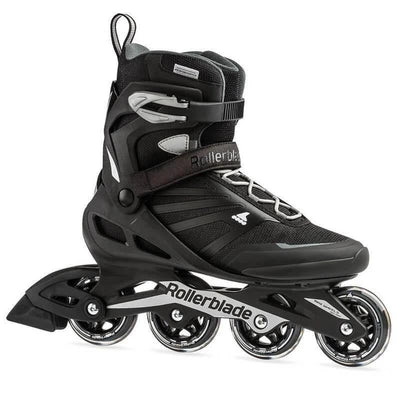
- Standard Equipment: Many beginner and recreational skates, like the Rollerblade Macroblade series, come equipped with a heel brake, making it accessible right out of the box.
Cons:
- Can be Slow: It's not the quickest stop for emergencies.
- Limited Maneuverability: Your braking foot is occupied, limiting quick turns or evasive actions during the stop.
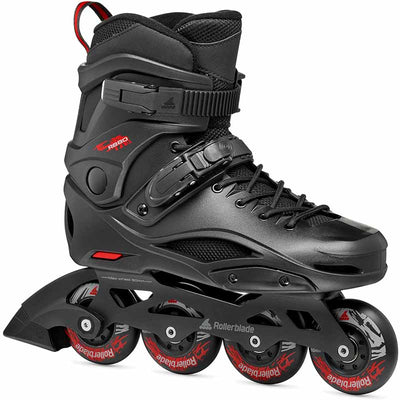
- Not on All Skates: Many urban, freestyle, or speed skates don't include a heel brake, as it can interfere with certain maneuvers.
Tips for Success:
- Practice starting slow and gradually increasing your speed.
- Look straight ahead, not down at your feet.
- Keep your knees bent – it’s your shock absorber and balance mechanism.
- Ensure your heel brake is in good condition; replace it when it wears down. You can find replacement brake pads at Inlinex!
2. The T-Stop (Controlled Gliding Halt)
Once you're comfortable with the heel brake, the T-stop is an excellent next step. It’s a versatile stop that doesn't require a heel brake and offers more control over your stopping distance.
How to do it:
- Glide forward, keeping your knees bent.
- Shift your weight predominantly onto your lead foot (the one that will remain straight).
- Bring your trailing foot behind your lead foot, perpendicular to it, forming a "T" shape with your skates.
- Gently drag the wheels of your trailing foot flat on the ground, applying light, even pressure.
- As you slow down, increase the pressure until you stop. Keep your lead foot pointing forward and your body aligned.
Pros:
- No Heel Brake Required: Perfect for skates without brakes, like many urban and freestyle models.
- Good Control: Allows for a controlled, gradual stop.
- Versatile: Can be used for speed control as well as full stops.
Cons:
- Wheel Wear: Can wear down your wheels unevenly, especially the trailing foot's wheels. Regularly rotate your wheels to mitigate this.
- Requires Practice: Finding the right balance and pressure takes time.
Tips for Success:
- Start with very light pressure on your dragging foot to avoid losing balance.
- Keep your body upright and your lead skate pointing straight.
- Practice on both sides to balance wheel wear and improve overall skill.
- Skates like the FR FRX or Flying Eagle F5S are excellent choices for practicing T-stops and other urban maneuvers, offering great control and durability.
3. The Plow Stop / Snowplow Stop (Wedge Stop)
The plow stop, also known as the snowplow or wedge stop, is another fantastic option for beginners and intermediate skaters. It's intuitive, drawing inspiration from skiing, and offers a quick way to slow down or stop.
How to do it:
- While gliding, gradually turn your toes inwards, so your skates form a "V" or wedge shape.
- Keep your heels wider than your toes, and your knees bent.
- Apply even pressure to the inside edges of both skates, pushing them outwards against the ground.
- The friction will slow you down. Increase the angle and pressure to stop faster.
Pros:
- Intuitive: Many find this motion natural due to its similarity to skiing or even walking.
- Quick to Learn: Can be picked up relatively fast.
- Effective for Speed Control: Great for shedding speed on gentle slopes or before obstacles.
Cons:
- Can Scrape Wheels: Similar to the T-stop, it can cause some wheel wear if done excessively with too much angle.
- Less Effective at High Speeds: At very high speeds, it becomes harder to maintain control and apply enough pressure for a quick stop.
Tips for Success:
- Start small, gradually widening your "V" shape.
- Keep your upper body stable and facing forward.
- Practice engaging your core for better control.
4. The Power Slide (Advanced, Dynamic Stop)
Now we're moving into more advanced territory! The power slide is a dynamic, stylish, and highly effective stop that requires good balance and edge control. It's popular among urban and freestyle skaters.
How to do it:
- Gain some speed and prepare to turn.
- Initiate a sharp, carving turn, usually to your dominant side.
- As you complete the turn, pivot your body and lead foot (the one on the outside of the turn) so it's perpendicular to your direction of travel.
- Bring your other foot alongside, also perpendicular, with both skates parallel and at an angle to the direction of travel.
- Lean heavily into the slide, using the edges of your wheels to create friction. Your body will be facing sideways.
Pros:
- Fast and Powerful: Excellent for quick, emergency stops.
- Stylish: Looks impressive when executed well.
- Versatile: Can be performed in tight spaces.
Cons:
- Steep Learning Curve: Requires significant practice, balance, and edge control.
- Significant Wheel Wear: This stop is notoriously hard on wheels, especially softer ones.
Tips for Success:
- Master carving and turning first.
- Practice sliding on one foot before attempting both.
- Keep your knees very bent and your center of gravity low.
- Urban skates like the Powerslide Next or FR FRX with their sturdy boots and frames are ideal for learning and executing power slides due to their excellent support and maneuverability.
5. The Parallel Slide / Hockey Stop (The Ultimate Power Stop)
Considered the pinnacle of inline skate stopping techniques, the parallel slide (often called the hockey stop) is fast, abrupt, and incredibly effective. It's a must-have for advanced skaters who need to stop on a dime.
How to do it:
- Gain speed and maintain a stable, athletic stance.
- Initiate a strong, quick turn, similar to the start of a power slide, but even more aggressive.
- In one swift motion, pivot both skates 90 degrees simultaneously, so they are parallel to each other and perpendicular to your original direction of travel.
- Lean heavily into the turn, digging the inside edges of your wheels into the ground. Your body will be facing sideways, and you'll slide to a stop.
Pros:
- Fastest Stop: Unparalleled stopping power for emergency situations.
- Impressive: A very satisfying and skilled maneuver to pull off.
Cons:
- Most Difficult: Requires a high level of skill, balance, and confidence.
- High Impact on Wheels: Causes significant and rapid wheel wear.
- Risk of Falling: If not executed correctly, it can lead to a hard fall.
Tips for Success:
- Practice your carving and power slides extensively before attempting this.
- Start on a slightly downhill slope to get the feel of the slide.
- Commit fully to the pivot and lean. Hesitation is your enemy here.
- Ensure your wheels are in good condition and consider harder wheels for durability if this is your go-to stop.
Choosing the Right Stop for You
With five great options, how do you choose? It really depends on your skill level, the situation, and your personal preference:
- For beginners and casual cruising, the Heel Brake and Plow Stop are your best bets.
- For intermediate skaters looking for more control and efficiency without a heel brake, the T-Stop is invaluable.
- For advanced skaters who need quick, powerful stops and enjoy dynamic maneuvers, the Power Slide and Parallel Slide are the ultimate goals.
Remember, the best stop is the one you can execute safely and effectively in any given situation. Don't be afraid to experiment and practice them all!
Common Stopping Mistakes to Avoid
- Looking Down: This throws off your balance and prevents you from seeing where you're going. Keep your head up!
- Stiff Legs: Bent knees are your best friend. They provide stability and absorb shock.
- Not Shifting Weight: Proper weight distribution is crucial for engaging the brake or wheels effectively.
- Hesitation: Especially with advanced stops, commitment is key. Half-hearted attempts often lead to falls.
- Forgetting to Maintain Skates: Worn-out heel brakes or unevenly worn wheels will make stopping harder and less effective. Regularly check your equipment!
Ready to Roll (and Stop!) with Confidence?
Mastering these stopping techniques will transform your inline skating experience, making every glide safer and more enjoyable. From leisurely park skates to intense urban adventures, knowing you can stop reliably puts you in complete command.
Still wondering which skates are right for your journey? Take our quick and easy Skate Quiz to find your perfect pair!
Have more questions about inline skating? Head over to our comprehensive FAQ page for everything you need to know.
At Inlinex, we're passionate about helping you find the best gear and empowering you with the knowledge to skate confidently. Browse our extensive collection of high-quality inline skates, protective gear, and accessories today!
Happy skating!