How to Choose Your First Inline Skates: Your Ultimate Beginner Buying Guide

Choosing your first inline skates involves prioritizing comfort and stability above all else. Look for recreational or fitness skates with a soft boot, a stable frame, and mid-sized wheels (80-90mm) for a smooth, controlled ride. Proper sizing is absolutely crucial for an enjoyable and safe experience, so always try before you buy if possible!
Why Inline Skating? The Joy of Gliding in Singapore
Welcome, future skater! Here at Inlinex, Singapore's premier inline skate shop, we're thrilled you're considering diving into the exhilarating world of inline skating. With 1,077 Google Reviews averaging 4.9 stars, we've seen countless beginners find their balance and fall in love with the sport. Whether you're looking for a fun way to exercise, a new mode of transport, or just a cool hobby, inline skating offers a unique blend of freedom, fitness, and pure joy.
But before you hit the pavements of East Coast Park or the vibrant paths of Marina Barrage, there's one crucial step: choosing the right pair of skates. It can feel a bit overwhelming with all the options out there, but don't worry – we're here to be your friendly guide. Think of this as your personal roadmap to finding those perfect "beginner rollerblades" that will make your first pushes a breeze.
Understanding Different Types of Inline Skates
Inline skates come in various categories, each designed for specific styles of skating. For your first pair, it's essential to pick one that prioritizes comfort and control over speed or extreme maneuverability.
Recreational Skates: Your Best Starting Point
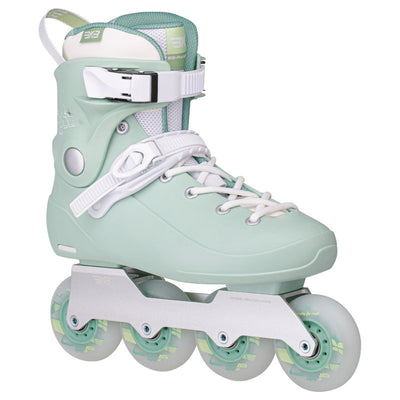
Recreational skates are the go-to choice for most beginners, and for good reason! They are designed for casual cruising, fitness, and general enjoyment. Key features include:
- Soft Boots: Most recreational skates feature a soft boot design, often integrated with a breathable liner, offering maximum comfort and ventilation. This makes them incredibly forgiving for longer sessions.
- Mid-sized Wheels: Typically equipped with wheels between 80mm and 90mm, striking a perfect balance between speed and stability. Smaller wheels are more stable, while larger wheels offer more speed.
- Composite or Aluminum Frames: Frames are generally made of composite (plastic) for vibration dampening and a smoother ride, or aluminum for better power transfer and durability.
- Built-in Brakes: Almost all recreational skates come with a heel brake pre-installed, which is essential for learning how to stop safely.
Inlinex Recommendation: For an excellent blend of comfort, support, and performance, consider models like the Rollerblade Macroblade series. They are renowned for their comfortable fit and smooth ride, making them perfect "first inline skates" for those starting out.
Fitness Skates: For Speed and Endurance
Fitness skates are a step up from recreational skates, designed for skaters who want to cover longer distances and achieve higher speeds. They often feature:
- Lighter Materials: To reduce fatigue over long distances.
- Larger Wheels: Often 90mm or 100mm, sometimes even 110mm, for increased speed and efficiency.
- Longer Frames: Providing more stability at higher speeds.
- More Responsive Boots: While still comfortable, they offer better power transfer than basic recreational skates.
While some beginners might be drawn to the speed, we generally recommend starting with recreational skates. You can always upgrade to fitness skates once you've mastered the basics and are confident in your stopping and turning abilities.
Urban/Freeride Skates: Agility and Durability
Urban or freeride skates are built for agility, durability, and navigating city environments. They are known for:
- Hard Boots: Providing exceptional support, power transfer, and protection against impacts. This makes them very responsive but can be less forgiving on comfort initially.
- Shorter, Stiffer Frames: Usually aluminum, making them highly maneuverable for sharp turns and tricks.
- Smaller to Mid-sized Wheels: Typically 80mm, offering quick acceleration and control.
- No Pre-installed Brake: Many urban skates do not come with a heel brake, as experienced urban skaters prefer other stopping techniques.
Inlinex Recommendation: While not typically recommended as "first inline skates" due to their stiffer boot and lack of a pre-installed brake, skates like the FR FRX, Flying Eagle F5S, or Powerslide Next are fantastic options for those who might progress quickly or are looking for a skate that offers more versatility for future trick learning, provided they are comfortable with a firmer boot and are committed to learning alternative stopping methods or purchasing an aftermarket brake.
Aggressive, Speed, and Slalom Skates: Not for Beginners (Yet!)
These specialized skates are designed for very specific disciplines (grinding rails, racing, cone weaving) and are definitely not suitable for your first pair. Focus on mastering the fundamentals with recreational skates first!
Key Components of Your First Skates Explained
Understanding the anatomy of an inline skate will help you make an informed decision.
The Boot: Soft vs. Hard
- Soft Boot: Offers superior comfort, breathability, and flexibility. Great for recreational skating and longer sessions. Easier on your feet as you build strength.
- Hard Boot: Provides maximum support, protection, and power transfer. Excellent for urban skating, tricks, and those who need very precise control. Can be less comfortable for long periods initially.
For beginners, a soft boot is almost always the better choice for comfort and ease of learning.
The Frame: Material and Length
- Composite (Plastic) Frames: Common on recreational skates. They absorb vibrations well, providing a smoother, more comfortable ride. Often slightly heavier and less rigid.
- Aluminum Frames: Lighter, stiffer, and more durable. They offer better power transfer and responsiveness, making them ideal for fitness and urban skating.
For your "beginner rollerblades," a composite frame is perfectly adequate and will offer a more forgiving ride. A shorter frame (e.g., 243mm for 4x80mm wheels) offers greater maneuverability, which is excellent for learning.
Wheels: Size, Durometer, and Profile
-
Size (Diameter): Measured in millimeters (mm).
- 72-80mm: More stable, slower, easier to control. Ideal for learning.
- 80-90mm: Good balance of speed and stability. Common for recreational and fitness skates.
- 90-110mm+: Faster, less stable, better for experienced skaters covering long distances.
-
Durometer (Hardness): Measured with an "A" scale (e.g., 80A, 85A).
- Softer Wheels (78A-82A): Better grip, more shock absorption, but wear down faster. Great for rougher surfaces.
- Harder Wheels (83A-86A+): Faster, more durable, but less grip and shock absorption. Best for smooth surfaces.
-
Profile:
- Flat Profile: Wider contact patch, more stability, slower.
- Bullet/Elliptical Profile: Narrower contact patch, faster, more agile.
For your first skates, look for wheels in the 80-90mm range with a durometer around 80A-84A. This combination provides a good balance of stability, grip, and comfort for learning on Singapore's pathways.
Bearings: ABEC Ratings and Performance
Bearings are what allow your wheels to spin. They are often rated using the ABEC scale (ABEC-1, ABEC-3, ABEC-5, ABEC-7, ABEC-9). Higher ABEC ratings indicate tighter tolerances, which *can* mean smoother and faster spinning, but it's not the only factor. For beginners, ABEC-5 or ABEC-7 bearings are perfectly fine. Don't get too caught up in chasing the highest ABEC rating – good quality materials and proper maintenance are more important.
Brake: To Keep or Not to Keep?
For beginners, absolutely keep the heel brake! It's the easiest and safest way to stop when you're starting out. While urban skaters often remove them to allow for more advanced tricks, learning to stop safely is paramount for your confidence and safety.
Sizing and Fit: The Golden Rule
This is arguably the most critical aspect of choosing your "first inline skates." A properly fitting skate will provide comfort, support, and control. An ill-fitting skate will lead to blisters, pain, and a frustrating experience.
Measuring Your Feet
Your skate size isn't always the same as your shoe size. We highly recommend measuring your feet accurately. Stand on a piece of paper, trace around your foot, and measure the length from heel to longest toe. Compare this to the manufacturer's size chart.
Trying Skates On
Whenever possible, try skates on! Wear the socks you'd typically skate in. When you put the skate on and buckle up:
- Your toes should lightly brush the front of the boot, but not be painfully crammed.
- When you bend your knees and lean forward (into the "skating stance"), your heel should lock into place, and your toes should pull back slightly from the front.
- There should be no significant pressure points or heel lift.
- The skate should feel snug and supportive around your foot and ankle, but not painfully tight.
Remember, a skate that's too loose will cause a lack of control and blisters, while one that's too tight will be painful and restrict blood flow.
Common Fit Issues
- Heel Lift: Your heel should not lift excessively when you bend your knees. This indicates the skate is too big or not laced tightly enough.
- Toe Cramping: If your toes are painfully curled, the skate is too small.
- Pressure Points: Any sharp pain or discomfort in specific areas can indicate a poor fit or a skate shape that doesn't suit your foot. Try a different model or brand.
Budgeting for Your First Pair
You don't need to break the bank for your "beginner rollerblades." A good quality beginner pair typically ranges from SGD 150 to SGD 300. Investing a little more often means better quality components, enhanced comfort, and greater durability, which will make your learning experience much more enjoyable and last longer. Avoid extremely cheap skates, as they often use low-quality materials that can quickly lead to discomfort and frustration.
Essential Protective Gear: Safety First!
This is non-negotiable! Especially as a beginner, falls are part of the learning process. Proper protective gear will save you from painful scrapes and serious injuries, allowing you to learn with confidence.
- Helmet: Absolutely mandatory. Protect your head.
- Wrist Guards: Your wrists are often the first thing to hit the ground. Essential for preventing sprains and fractures.
- Knee Pads: Save your knees from impacts.
- Elbow Pads: Protect your elbows.
Always wear your full set of protective gear, even for short skates!
Ready to Roll? Take Our Skate Quiz!
Still feeling a little unsure? No problem! We've created a quick and easy quiz to help narrow down the best skate options for you based on your preferences and goals.
Common Beginner Mistakes to Avoid
- Buying skates that are too big: Leads to poor control and blisters. Always prioritize a snug, comfortable fit.
- Not wearing protective gear: A fall without protection can quickly discourage you.
- Looking down at your feet: Keep your head up, look where you're going! This helps with balance.
- Trying to go too fast too soon: Focus on balance, pushing, and stopping before attempting speed.
- Not bending your knees enough: A low, bent-knee stance is your best friend for balance and control.
Maintenance Tips for Longevity
A little care goes a long way in extending the life of your skates:
- Wipe down after use: Especially if you skate in dusty or wet conditions.
- Rotate your wheels regularly: This ensures even wear and prolongs wheel life.
- Clean your bearings: If your wheels aren't spinning freely, your bearings might need cleaning or replacement.
- Store in a dry place: Away from direct sunlight and moisture.
Still Have Questions? Check Our FAQ!
We know you might have more questions! Our comprehensive FAQ page covers everything from basic skating techniques to advanced gear advice.
Your Journey Starts Here at Inlinex
Choosing your "first inline skates" is an exciting step towards a fantastic new hobby. By focusing on comfort, stability, and proper protection, you're setting yourself up for success and countless hours of enjoyment on wheels. We at Inlinex are here to support you every step of the way, offering expert advice and a wide range of quality skates and gear.
Ready to find your perfect pair and start gliding? Browse our extensive collection today and become part of Singapore's vibrant inline skating community!