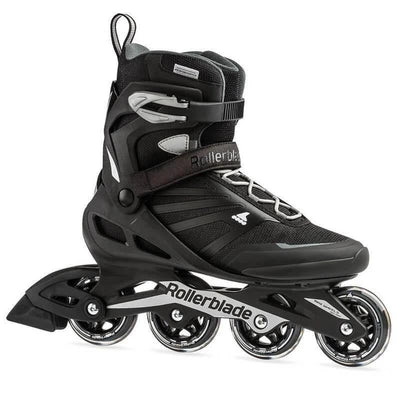
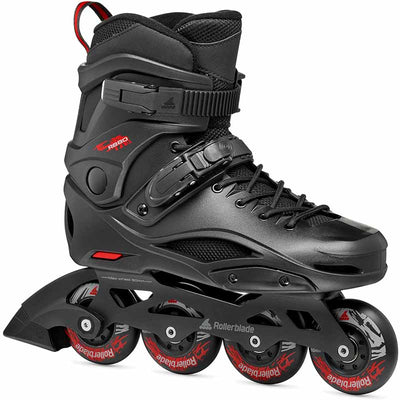
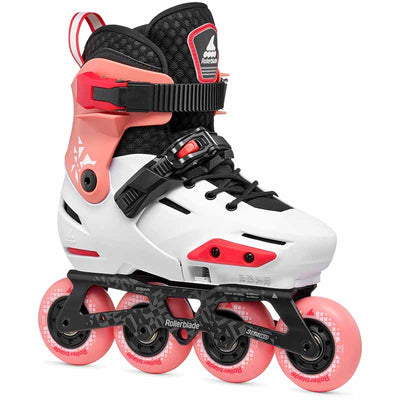
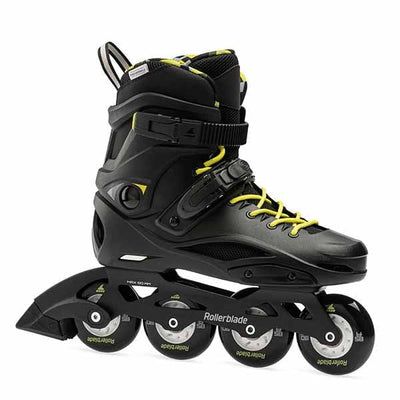
Hey there, fellow skate enthusiasts! Welcome back to the Inlinex blog, Singapore's premier spot for all things inline skating. Today, we're diving into one of the most frequently asked questions that often sparks lively debates in the skating community: "3 Wheels vs 4 Wheels: Which Inline Skate Setup is Better?"
It's a fantastic question, and one that doesn't have a simple "one-size-fits-all" answer. Both setups have their unique charm, strengths, and weaknesses, catering to different styles, preferences, and skill levels. As your friendly neighborhood inline skating experts, we’re here to break it all down for you. Let’s roll!
The Core Question: 3 Wheels vs 4 Wheels – What's the Verdict?

The "better" setup between 3-wheel (triskate) and 4-wheel inline skates hinges entirely on your personal skating goals, skill level, and what you prioritize in a ride. Triskates excel in speed and navigating varied terrain with their larger wheels, while 4-wheel skates offer superior stability, control, and agility, making them excellent for beginners and technical maneuvers.
There you have it – a quick summary to get us started. Now, let's dive deep into the specifics of each setup so you can make an informed decision.
Diving Deep into 3-Wheel Inline Skates (Triskates)

The rise of the "triskate" (skates with three larger wheels, typically 100mm, 110mm, or even 125mm) has been one of the biggest trends in inline skating over the past decade. These setups often feature shorter frames than traditional 4-wheel setups, despite the larger wheels.
The Allure of the Triskate: Pros
- Unmatched Speed and Glide: With fewer, larger wheels, triskates have less rolling resistance. This means you can achieve higher speeds with less effort and maintain momentum for longer distances. If you love to cruise fast, triskates are a dream.
- Smoothness Over Varied Terrain: Larger wheels handle cracks, pebbles, and uneven surfaces much better than smaller wheels. They roll over obstacles with greater ease, providing a smoother, more comfortable ride, especially on Singapore's diverse paths.
- Enhanced Maneuverability (Surprising, Right?): While it might seem counter-intuitive due to the larger wheels, many triskate frames are actually shorter than traditional 4x80mm frames. This shorter wheelbase, combined with the larger wheel size, can offer impressive agility and quick turning capabilities once you get the hang of them.
- Reduced Vibration: Fewer, larger wheels mean less contact points with the ground and often better shock absorption, leading to a more comfortable ride with less road vibration fatigue.
- Lighter Weight: Generally, a 3-wheel frame with three large wheels can sometimes be lighter than a 4-wheel frame with four smaller wheels, contributing to less fatigue on longer skates.
For those looking for speed and a smooth ride over longer distances, triskates are often the go-to. Skates like the Powerslide Next 110 or the FR FRX 310 are fantastic examples of high-performance triskates that deliver on these promises.
Understanding the Trade-offs: Cons of Triskates
- Higher Center of Gravity: The larger wheels lift your boot higher off the ground, resulting in a higher center of gravity. This can make triskates feel less stable, especially for beginners or when standing still.
- Challenging for Absolute Beginners: The combination of higher speed, reduced initial stability, and a different feel can make triskates a steeper learning curve for someone brand new to inline skating.
- Braking Can Be Different: The braking dynamics can feel different due to the larger wheels and often shorter frame. While effective, it might require more practice to master emergency stops compared to 4-wheel setups.
- Less Direct Control for Technical Skating: For very precise, intricate maneuvers like slalom or aggressive skating, the larger wheels might feel less responsive and direct compared to smaller 4-wheel setups.
Exploring 4-Wheel Inline Skates: The Classic Choice

The 4-wheel setup has been the backbone of inline skating since its resurgence in the 80s and 90s. Typically featuring wheel sizes ranging from 72mm to 90mm (though some go larger), these skates are known for their balance and versatility.
The Enduring Strengths: Pros of 4-Wheel Skates
- Superior Stability: With four wheels on the ground, you have more contact points and a lower center of gravity. This translates to excellent stability, making them very forgiving for beginners and confidence-inspiring for all skaters.
- Easier Learning Curve: For new skaters, the inherent stability and lower ride height of 4-wheel skates make them easier to learn on. You'll feel more grounded and in control from the get-go.
- Exceptional Agility and Control: Smaller wheels and often longer frames provide precise control and quick responsiveness. This makes 4-wheel skates ideal for urban skating, slalom, freestyle, and navigating crowded areas with ease. Skates like the Flying Eagle F5S or the Rollerblade Macroblade 80 offer fantastic control and agility for urban adventures and fitness.
- Versatility Across Disciplines: From recreational fitness to intricate slalom, aggressive park skating, and even hockey, the 4-wheel setup is incredibly versatile and forms the basis for many specialized skating styles.
- Easier Braking: The lower profile and more direct contact with the ground can make T-stops and heel braking feel more intuitive and easier to learn for many skaters.
Where 4-Wheel Skates Might Fall Short: Cons
- Slower Top Speed: More wheels mean more rolling resistance, and smaller wheels generally don't carry momentum as well as larger ones. This means you'll need to push more to maintain higher speeds over long distances.
- Less Smooth Ride on Rough Surfaces: Smaller wheels are more prone to getting caught in cracks or feeling every bump and pebble on less-than-perfect surfaces. This can lead to a less comfortable and more fatiguing ride on rougher terrain.
- More Effort for Distance: While excellent for agility, the increased rolling resistance can make long-distance skating more physically demanding compared to triskates.
Key Differences: Triskate vs 4-Wheel at a Glance

To help you compare, here's a quick breakdown of the primary differences:
| Feature | 3-Wheel Skates (Triskates) | 4-Wheel Skates |
|---|---|---|
| Speed | Faster, easier to maintain momentum | Slower top speed, more effort for speed |
| Stability | Less initial stability, higher center of gravity | Excellent stability, lower center of gravity |
| Maneuverability | Agile for turning, but can feel less precise for technical moves | Highly agile, precise control for technical skating |
| Comfort (Rough Terrain) | Smoother ride over bumps and cracks | More prone to feeling bumps, less smooth |
| Learning Curve | Steeper for absolute beginners | Easier and more forgiving for beginners |
| Ideal Use | Fitness, commuting, long-distance cruising, urban freeride | Fitness, urban freeride, slalom, aggressive, hockey, general recreation |
Choosing Your Perfect Setup: Who Should Ride What?
Now that we've laid out the pros and cons, let's help you figure out which setup might be best for you:
- For the Absolute Beginner: We generally recommend starting with a 4-wheel setup (e.g., 4x80mm or 4x84mm wheels). The enhanced stability will build your confidence faster and make the learning process much more enjoyable. Skates like the Rollerblade Macroblade 80 or a sturdy 4x80mm setup from Flying Eagle are excellent starting points.
- For Fitness & Long-Distance Cruising: If your goal is to cover ground, get a great workout, and enjoy smooth, fast rides, a 3-wheel setup (100mm, 110mm, or even 125mm) is often the superior choice. You'll appreciate the reduced effort and increased glide. The Powerslide Next 110 or FR FRX 310 are fantastic options.
- For Urban Freeride & City Skating: This is where it gets interesting! Both setups can work. Many urban skaters love the agility of 4x80mm setups like the Flying Eagle F5S for navigating tight corners and crowds. However, others prefer the speed and bump-absorbing qualities of a 3x110mm triskate for getting around the city quickly and comfortably. It often comes down to personal preference for stability vs. speed.
- For Technical Skating (Slalom, Aggressive): For precision and extreme control, 4-wheel setups with smaller wheels (typically 4x80mm or smaller) are almost always preferred. They offer the responsiveness needed for intricate maneuvers.
- For Commuters: If you're using your skates to get to work or run errands, consider the terrain. If your route is relatively smooth and you value speed, a triskate might be ideal. If you encounter many obstacles, need precise stops, or navigate crowded areas, a stable 4-wheel setup might be more practical.
Still scratching your head? No worries! We've designed a quick quiz to help you pinpoint your perfect pair. Take our Skate Quiz now!
Practical Tips for Both Setups
- Try Before You Buy (If Possible): The best way to know which feels right is to try them on and, if possible, take a few rolls. Visit our Inlinex store in Singapore, and our friendly staff can guide you.
- Wheel Hardness Matters: Regardless of wheel count, wheel hardness (durometer) impacts your ride. Softer wheels (e.g., 82A-85A) offer more grip and shock absorption, while harder wheels (86A-90A) are faster and more durable.
- Frame Material: Aluminium frames are common and durable. Higher-end skates might feature CNC-machined aluminium for better power transfer.
- Bearing Quality: ABEC ratings (or ILQ for Twincam) indicate bearing precision, which affects speed and smoothness. Higher ratings generally mean smoother rolling.
- Maintenance is Key: Regularly rotate your wheels and clean your bearings, no matter your setup. This extends the life of your skates and keeps your ride optimal.
Still Undecided? Inlinex is Here to Help!
We understand that choosing the right inline skate setup is a significant decision. It's an investment in your enjoyment and progression in the sport. At Inlinex, we pride ourselves on being Singapore's premier inline skate shop, backed by 1,077 Google Reviews at 4.9 stars. Our team lives and breathes skating, and we're always ready to share our expertise.
Whether you're leaning towards the thrilling speed of a triskate like the Powerslide Next or the reliable stability of a 4-wheel classic like the Flying Eagle F5S, we have a vast selection to suit every skater. Don't hesitate to reach out or visit us in-store for personalized advice.
Have more questions about inline skating in general? See all FAQ on our comprehensive FAQ page.
Ready to find your next pair of wheels? Browse our incredible selection of 3-wheel and 4-wheel inline skates today and get ready to experience the joy of skating with Inlinex!