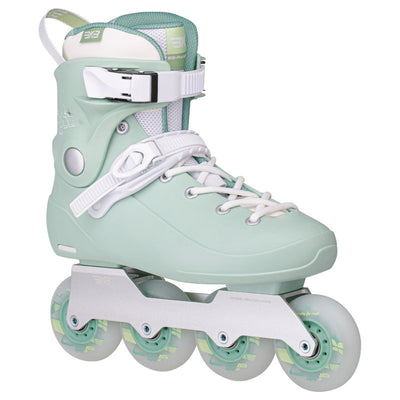
Hey there, fellow skaters! Welcome to Inlinex, Singapore's premier inline skate shop. We're all about the thrill of gliding on wheels, but more importantly, we're about doing it safely. Whether you're a seasoned urban explorer or just lacing up your first pair of skates, understanding how to choose the right inline skate protective gear is absolutely crucial.
Choosing inline skate protective gear involves selecting a properly fitting skate helmet, robust knee pads, and essential wrist guards. Prioritize certified helmets, impact-absorbing pads, and snug, comfortable fits to ensure maximum safety and confidence on your skates.
Think of protective gear not as an accessory, but as your essential co-pilot on every ride. It’s the difference between shrugging off a minor tumble and facing a painful injury. At Inlinex, we've seen it all, and our 1,077 Google Reviews at 4.9 stars are a testament to our commitment to helping you skate smart. Let's dive into how you can gear up right!
Why Protective Gear Isn't Optional – It's Essential
Let's be real: falls happen. Even the most experienced skaters take a tumble now and then. Gravity is a relentless force, and concrete isn't forgiving. The good news? Most common skating injuries can be significantly reduced, or even prevented, with the right protection. We're talking scrapes, bruises, sprains, and even more serious issues like fractures or concussions. Your gear acts as an armour, absorbing impact and distributing force, protecting your most vulnerable spots.
Investing in quality protective gear isn't just about avoiding pain; it's about building confidence. When you know you're well-protected, you'll be more willing to push your limits, try new moves, and ultimately, enjoy your skating experience a whole lot more.
The Big Three: Your Core Inline Skate Protection
When we talk about essential inline skate protective gear, three items stand out as non-negotiable: the helmet, knee pads, and wrist guards. These protect the areas most commonly injured in a fall.
1. The Skate Helmet: Protecting Your Most Important Asset
Your brain is irreplaceable. A skate helmet is the single most important piece of protective gear you will own. There's no compromise here. Even a seemingly minor fall can result in a serious head injury if you're unprotected.
Choosing the Right Skate Helmet:
- Fit is King: A helmet must fit snugly, level on your head, and not rock side to side or front to back. It shouldn't obstruct your vision. When you shake your head, the helmet should stay put. Many helmets come with adjustable pads or dial-fit systems for a custom feel.
- Certification Matters: Always look for safety certifications. In Singapore, common certifications to look out for include CPSC (for bicycles, often applied to skate helmets) or EN 1078 (European standard for helmets for pedal cyclists and for users of skateboards and roller skates). These certifications mean the helmet has been rigorously tested to withstand impacts.
- Ventilation: Skating can be a workout, especially in Singapore's climate. Good ventilation will keep you cooler and more comfortable, encouraging you to wear your helmet on every ride.
- Style and Type: While multi-sport helmets are common, dedicated skate helmets often offer a lower profile and deeper coverage at the back of the head. Choose one you like the look of – you'll be more likely to wear it!
Pro Tip: Never wear a helmet that has sustained a significant impact, even if it looks fine. The internal foam can be compromised, reducing its protective capabilities. Replace it!
2. Knee Pads for Skating: Cushioning the Impact
Your knees are often the first point of contact when you fall forward. High-quality knee pads for skating are crucial for absorbing impact and preventing nasty scrapes, bruises, and even fractures.
Key Features to Look For:
- Hard Shell vs. Soft Pad: Most effective skate knee pads feature a hard, impact-resistant plastic cap over dense foam padding. This hard shell helps you slide rather than stop abruptly, dissipating energy. Softer pads offer more flexibility and comfort but less robust protection for hard falls, often preferred for lighter recreational skating or under clothing.
- Secure Fit: Knee pads should fit snugly without restricting movement or circulation. Look for multiple adjustable straps (often velcro) that keep the pad from slipping down your leg, especially during a fall.
- Padding Thickness: Thicker, multi-layered padding around and under the hard cap offers superior shock absorption.
- Comfort and Breathability: Materials that wick away sweat and offer good airflow will make your pads more comfortable for longer sessions.
For urban skating on models like the Powerslide Next or the agile Flying Eagle F5S, you'll want robust, flexible knee pads that allow for a full range of motion while offering serious protection against unexpected spills. Brands like Powerslide, Rollerblade, and K2 offer excellent options that Inlinex carries.
3. Wrist Guards: Protecting Your Hands and Wrists
It's a natural reaction to throw your hands out when you fall. While this can protect your head, it often leads to sprained or fractured wrists. Wrist guards are designed to prevent this by providing support and impact absorption.
What Makes a Good Wrist Guard?
- Splint System: Most effective wrist guards feature rigid splints, usually made of plastic or composite material, strategically placed on the palm and/or back of the hand. These splints prevent your wrist from bending at extreme angles.
- Secure Straps: Like knee pads, multiple straps (often velcro) are essential to keep the wrist guard firmly in place, even during a high-impact fall.
- Coverage and Comfort: Ensure the guard covers enough of your wrist and palm without hindering your grip on items or causing discomfort. Breathable materials are a plus.
Insider Tip: For beginners, wrist guards are particularly important as you're still developing your balance and fall recovery techniques.
Beyond the Big Three: Extra Layers of Protection
While the helmet, knee pads, and wrist guards are your core, depending on your skating style and comfort level, you might want to consider additional protection.
Elbow Pads
Similar to knee pads, elbow pads protect the bony and vulnerable elbow joint. They typically feature a hard cap and foam padding and are especially recommended for beginners or aggressive skaters. Ensure they fit securely and don't slide down your arm.
Tailbone/Hip Pads (Impact Shorts)
Falling backwards onto your tailbone can be excruciating. Impact shorts, often worn discreetly under your clothing, feature padding around the tailbone, hips, and sometimes thighs. These are highly recommended for learning new tricks, aggressive skating, or anyone prone to backward falls.
Choosing the Right Size and Fit: It's All About You!
The best protective gear in the world is useless if it doesn't fit properly. Ill-fitting gear can slip, chafe, or simply not provide the protection it's designed for.
- Measure Up: Always refer to the manufacturer's sizing charts. For helmets, measure the circumference of your head. For pads, measure around your knee, elbow, or wrist as instructed.
- Try Before You Buy (If Possible): If you can, visit our Inlinex store to try on gear. This is the best way to ensure a snug, comfortable fit that doesn't restrict movement.
- Snug, Not Tight: Protective gear should feel snug and secure, but not uncomfortably tight or restrictive of circulation. There should be no significant gaps between your body and the pads.
- Check for Movement: Move around, bend your knees and elbows, and turn your head. The gear should stay in place and allow for natural skating movements.
Maintenance and Replacement: Keep Your Gear in Top Shape
Just like your skates, your protective gear needs a little love to stay effective and hygienic.
- Cleaning: Most pads can be hand-washed with mild soap and water and air-dried. Remove any hard caps if possible. Helmets can be wiped down, and many have removable, washable liners. Regular cleaning prevents odour and extends the life of your gear.
- Inspection: Regularly check your gear for signs of wear and tear – frayed straps, cracked hard shells, compressed foam, or loose stitching.
-
When to Replace:
- After a Major Impact: Any helmet that has taken a significant hit should be replaced immediately, even if it looks fine externally. The internal structure designed to absorb impact can be compromised.
- Wear and Tear: If pads are losing their shape, straps are failing, or hard caps are severely scratched or cracked, it's time for an upgrade.
- Generally: Most helmets have a recommended lifespan of 3-5 years, even without impact, as materials can degrade over time.
Protective Gear for Every Skating Style
While the core protection remains the same, specific skating styles might influence your choice of gear.
- Recreational/Fitness Skating (e.g., Rollerblade Macroblade, K2 F.I.T.): You'll want comfortable, breathable, and relatively lightweight gear that offers good protection without hindering long-distance comfort. Look for well-ventilated helmets and flexible, secure pads.
- Urban/Freestyle Skating (e.g., Powerslide Next, FR FRX, Flying Eagle F5S): For agility and tackling varied urban terrain, you need robust protection that allows for dynamic movement. Hard-shell knee and elbow pads are highly recommended, along with durable wrist guards. Impact shorts can also be a wise addition for potential drops and slides.
- Aggressive Skating: This style involves grinding, jumping, and high impacts. Maximum protection is key. Look for heavy-duty, thick-padded knee and elbow pads with strong hard caps, full-coverage wrist guards, and definitely a certified helmet. Impact shorts are almost a necessity.
- Speed Skating: While competitive speed skaters often opt for minimal gear for aerodynamics, for training or recreational speed skating, a well-ventilated helmet is still paramount. Lighter, more flexible pads might be chosen to maintain range of motion, but protection should not be entirely sacrificed.
Remember, no matter your skill level or skating style, staying safe is always cool. Your protective gear is an investment in your safety, confidence, and continued enjoyment of inline skating. Don't skimp on it!
Feeling ready to find your perfect pair of skates after gearing up? Take our Skate Quiz to get personalised recommendations!
Have more questions about inline skating? See all FAQ for comprehensive answers!
Ready to Gear Up?
At Inlinex, we stock a comprehensive range of high-quality inline skate protective gear from reputable brands like Powerslide, Rollerblade, K2, and more. Our knowledgeable team is always here to help you find the perfect fit and ensure you skate away safely and confidently. Don't wait for a fall to regret not having the right gear!
Browse our extensive collection of protective gear, helmets, knee pads, and wrist guards online or visit us in-store today!