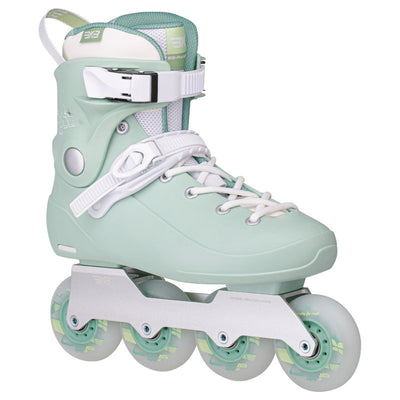
There's nothing quite like the excitement of unboxing a brand-new pair of inline skates. The fresh wheels, the pristine boots, the promise of countless smooth glides. But then you slip them on, and reality hits: they feel stiff, maybe a little tight, and definitely not like that comfy, broken-in pair you're replacing. Don't worry, this is completely normal! Breaking in new inline skates is a crucial step to achieving that "second skin" feeling, ensuring maximum comfort and control on your skating adventures.
So, how do you conquer that initial stiffness and mold your new skates into a perfect extension of your feet? It's all about patience, technique, and understanding what's happening inside those boots. Let's dive in!
Why Do New Skates Feel So Uncomfortable? The "Break-In" Science
Before we get to the how, let's understand the why. Your new skates aren't designed to fit perfectly right out of the box because they're designed for a generic foot shape. Your feet, however, are anything but generic!
Liner Compression and Memory Foam
Most quality inline skates feature liners made with various foams, often including memory foam. These materials are initially quite dense and uniform. When you first put on your skates, these foams haven't had a chance to conform to the unique contours of your ankles, heels, and arches. Over time, with body heat and pressure, the foam compresses and molds, creating a custom fit that eliminates hot spots and provides superior support.
Shell Stiffness and Ankle Support
The outer shell of your inline skates, especially hard-shell models like the FR FRX or Powerslide Next, is designed to be stiff. This stiffness provides crucial ankle support and energy transfer, but it also means less immediate flexibility. The plastic or composite materials need time to flex and adapt slightly to your movement patterns. Softer boot skates, like many Rollerblade Macroblade models, might feel more comfortable initially but still require some break-in for the internal padding.
Your Feet Are Unique!
No two feet are exactly alike, even your own! Factors like arch height, foot width, ankle bone prominence, and even small variations in your gait all contribute to how a skate feels. The break-in process essentially allows the skate to adapt to these individual nuances, turning a generic fit into a personalized one.
The Golden Rule: Patience and Gradual Progression
This is perhaps the most important tip. Trying to force a break-in by skating for hours on end will likely lead to blisters, pain, and a negative first experience. Think of it like breaking in new hiking boots – short, controlled sessions are key.
Short Sessions Are Your Best Friend
Start with sessions of 30-60 minutes. As your feet and the skates begin to adjust, you can gradually increase the duration. This allows your feet to get used to the new pressure points without becoming overly fatigued or blistered. It also gives the foam time to rebound slightly between sessions, allowing for a more gradual and effective mold.
Listen to Your Feet (Hot Spots, Numbness, Pain)
Your feet are your best guide. Pay close attention to any areas of intense pressure, rubbing, numbness, or sharp pain. These are "hot spots" that need attention. It's okay to feel some general stiffness or mild discomfort, but sharp pain is a sign to stop, adjust, or take a break.
Don't Over-Tighten from the Start
It's tempting to cinch everything down as tight as possible for maximum support, especially if the skates feel a bit loose initially. However, over-tightening can restrict blood flow, cause numbness, and create unnecessary pressure points. Start with a snug but comfortable tightness, focusing on securing your heel and ankle without crushing your foot. You can always adjust tighter as the skates break in and your confidence grows.
Pre-Skate Preparation: Getting a Head Start
A little preparation can go a long way in making the break-in process smoother.
Lacing Techniques: The Art of Customization
How you lace your skates can dramatically affect the fit and comfort. Experiment!
- Skipping Eyelets: If you have a specific pressure point on the top of your foot, try skipping the eyelet directly above that area.
- Looser Toes, Tighter Ankle: Many skaters prefer to keep the laces a bit looser over the toes for comfort, while ensuring the ankle and heel area are snug to prevent heel lift.
- Heel Lock Lacing: For persistent heel lift, research "heel lock" lacing techniques. These often involve using the top two eyelets to create extra tension around the ankle.
Remember that skates like the Flying Eagle F5S Eclipse and FR FRX offer excellent lacing customization, allowing you to fine-tune the fit.
Sock Choice: The Unsung Hero
The right pair of socks can make a huge difference.
- Thin vs. Thick: Many skaters prefer thin, technical skating socks as they allow for a more precise fit and reduce bulk. However, if your skates feel slightly too large, a slightly thicker sock can help take up some space.
- Moisture-Wicking Materials: Always opt for socks made of synthetic, moisture-wicking materials (like nylon, polyester, or blends) over cotton. Cotton absorbs sweat and stays wet, leading to blisters and discomfort.
- Seamless Design: Seamless socks prevent rubbing and irritation, especially around the toes.
Heat Molding (When and How)
Some high-performance skates, particularly those with stiffer shells or specialized liners, can benefit from heat molding. Brands like Powerslide often feature heat-moldable liners.
- What it is: Heat molding involves gently heating the skate (usually the liner, sometimes the shell) in a specialized oven (NEVER a microwave or conventional oven unless specifically instructed by the manufacturer!) or with a hairdryer, then putting them on and letting them cool while they conform to your feet.
- When to consider it: If, after several break-in sessions, you still experience persistent pressure points or a less-than-ideal fit, heat molding can accelerate the customisation process.
- Caution: Always follow the manufacturer's instructions precisely. Incorrect heat molding can damage your skates. If in doubt, consult the experts at Inlinex. We can guide you on which models benefit most and how to do it safely.
During the Break-In: Active Strategies
Once you've done your pre-skate prep, it's time to hit the pavement (or the living room floor!).
Start Indoors or on Smooth Surfaces
For your very first sessions, especially if you're new to skating or the skates are very stiff, consider wearing them around your home. This allows you to get a feel for them without the added challenge of outdoor terrain. Once you venture out, choose a smooth, flat, and safe surface like a quiet carpark or a dedicated skating path.
Practice Basic Maneuvers
Focus on simple movements:
- Standing and Balancing: Just standing in the skates helps the liner compress.
- Forward Glides: Gentle pushes and glides.
- Small Turns: Initiating turns helps the boot flex laterally.
- Stopping: Practice your heel brake or T-stop.
These movements will apply pressure to different parts of the liner and shell, encouraging them to conform to your foot's natural motion.
Adjusting Buckles and Straps on the Fly
Don't be afraid to stop and adjust! If you feel a hot spot developing, try loosening or tightening a buckle or strap. Sometimes a minor adjustment can make a significant difference. For skates with micro-adjustable buckles, like many Powerslide or FR Skates models, this precision adjustment is a huge advantage.
Standing vs. Skating Time
It's not just about skating. Even standing around in your new skates for short periods can contribute to the break-in process. Wear them while watching TV or doing light chores at home to help the foam liners adapt to your foot's static shape.
Dealing with Common Break-In Woes (Troubleshooting)
Despite your best efforts, you might encounter some common issues. Here's how to tackle them:
"My New Skates Are Too Tight!" (Target Keyword)
This is a frequent complaint.
- Check Your Socks: Are you wearing thick cotton socks? Switch to thin, synthetic skating socks.
- Lacing Adjustment: Loosen the laces slightly over the top of your foot.
- Liner Stretching: For persistent tightness, especially across the width of your foot, you can try gently stuffing the liners with newspaper or a small towel when not in use. Some dedicated skate stretchers are also available.
- Consider Heat Molding: If the tightness is severe and uniform, and your skates are heat-moldable, this might be the solution.
- Ensure Correct Sizing: While break-in will help, if your toes are painfully curled or your foot is severely compressed, the skates might be too small. Review our sizing guides and perhaps Take our Skate Quiz to double-check your fit.
Heel Lift and Blisters
If your heel is lifting excessively, it can cause rubbing and blisters.
- Heel Lock Lacing: This is your primary weapon against heel lift.
- Thicker Socks: Counter-intuitively, if the overall fit is slightly loose, a slightly thicker sock can help fill the void and secure the heel.
- Heel Pads: Small adhesive gel or foam pads can be placed inside the liner to cup the heel more securely.
- Anti-Blister Balm: Apply an anti-friction balm to prone areas before skating.
Ankle Pain and Rubbing
This often occurs at the prominent ankle bones.
- Cuff Adjustment: Ensure the cuff buckle isn't overtightened. It needs to be snug for support but not painfully restrictive.
- Liner Position: Sometimes the liner might shift slightly. Re-adjust it carefully before lacing up.
- Ankle Sleeves: Thin neoprene or gel ankle sleeves can provide cushioning and reduce friction.
- Heat Molding: For hard boots, targeted heat molding around the ankle bones can create more space.
Arch Pain
New skates can sometimes expose or exacerbate arch issues.
- Insoles: The stock insoles might not provide adequate arch support for everyone. Consider aftermarket insoles specifically designed for skating or sports, which can offer better anatomical support.
Product Spotlight: Skates Known for Comfort and Fit
While all skates require some breaking in, certain models are renowned for their comfort-focused designs or adaptability:
- FR FRX Skates: Popular for urban and freeride skating, FR Skates often have comfortable, well-padded liners that conform nicely over time. Their robust shells provide excellent support without being overly harsh.
- Flying Eagle F5S Eclipse: Flying Eagle is known for providing excellent value and comfort. The F5S Eclipse, for example, often features plush liners designed for a comfortable experience, making the break-in period relatively smooth.
- Powerslide Next Skates: These hard-shell skates offer incredible performance. While initially very stiff, many Powerslide Next liners are heat-moldable, allowing for a truly custom fit once broken in or molded. Be patient, and you'll be rewarded with precision control.
- Rollerblade Macroblade Skates: For fitness skaters, the Macroblade series from Rollerblade typically features softer, boot-like constructions with ample padding. These tend to have a shorter and less intense break-in period compared to hard-shell skates, often feeling comfortable quite quickly.
Even with these comfortable options, remember that your unique foot still needs time to adapt, and the liner needs to mold.
When is "Broken In" Truly Broken In?
You'll know your skates are properly broken in when they feel like an extension of your body. The initial stiffness will have faded, pressure points will be gone, and the liner will have perfectly molded to your foot shape. You'll experience maximum comfort, support, and responsiveness, allowing you to skate longer and more confidently without distraction.
The journey to a perfect fit is a personal one, and it might take anywhere from a few hours to several weeks of regular skating. But trust us, the effort is well worth it for the unparalleled comfort and performance you'll eventually enjoy.
For more insights and to find the perfect skate for your feet, don't forget to Take our Skate Quiz or See all FAQ for a wealth of inline skating knowledge!
Ready to find your next pair or need some accessories to help with the break-in? Browse the extensive range of inline skates, protective gear, and accessories at Inlinex, Singapore's premier inline skate shop. Your perfect fit awaits!