One of the most common questions we get asked at Inlinex is, "How do I stop on inline skates?" The answer is, there isn't just one way! Learning to stop is the absolute cornerstone of safe and confident inline skating. Whether you're a complete beginner or looking to refine your skills, mastering various braking techniques will give you unparalleled control and boost your confidence on wheels.
Stopping on inline skates fundamentally involves friction – either using a dedicated heel brake, dragging your wheels, or sliding them perpendicular to your direction of travel. The most common techniques include the heel brake, T-stop, plow stop, power slide, and parallel slide, each suited for different situations and skill levels.
As Singapore's premier inline skate shop, we know a thing or two about getting around on wheels safely. Let's dive into the five essential braking techniques you need to know!
1. The Heel Brake Stop: Your Beginner's Best Friend
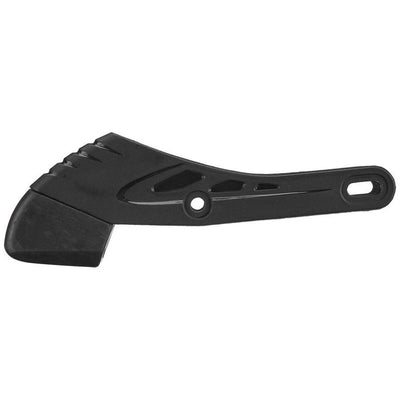
The heel brake is typically the first stopping technique taught to new skaters, and for good reason. It's intuitive, relatively easy to learn, and highly effective for controlled deceleration, especially at moderate speeds. Many fitness and recreational skates, like the Rollerblade Macroblade series, come equipped with a heel brake right out of the box, making them perfect for beginners.
How to Execute the Heel Brake
To perform a heel brake stop, follow these steps:
- Glide Forward: Start by rolling comfortably forward.
- Shift Weight: Gently shift your weight onto your non-braking foot (usually the left foot for right-footed brakes). Keep this knee slightly bent.
- Extend Braking Foot: Extend your braking foot forward, keeping the skate flat on the ground.
- Lift Toes: Lift the toes of your braking foot, bringing only the rubber brake pad into contact with the ground. Your heel should be firmly planted on the ground, creating friction.
- Apply Pressure: Gradually apply more downward pressure on the brake while maintaining your balance over your stable foot. Bend your knees and lean slightly forward to absorb the deceleration and maintain stability.
- Stop: Continue applying pressure until you come to a complete stop.
Pros and Cons of the Heel Brake
-
Pros:
- Easiest to learn for beginners.
- Provides a controlled and predictable stop.
- Excellent for slowing down or stopping on gentle inclines.
- Doesn't wear down your wheels.
-
Cons:
- Can be less effective at very high speeds.
- Not suitable for quick, agile stops or advanced maneuvers.
- The brake pad wears down and needs replacement.
- Can feel awkward for some skaters.
When to Use It
The heel brake is perfect for learning the ropes, cruising on park connectors, or when you need a reliable, gradual stop. It's your go-to for building initial confidence.
2. The T-Stop: The Skater's Workhorse
The T-stop is a fundamental technique that every inline skater should master. It's a versatile stop that doesn't require any special equipment and offers good control. It gets its name because your braking foot forms a "T" shape behind your other foot.
Mastering the T-Stop
- Glide Forward: Begin by rolling forward at a moderate speed.
- Shift Weight: Shift your body weight entirely onto your front, leading foot. Keep this knee bent and strong.
- Drag Braking Foot: Lift your back foot slightly and bring it behind your leading foot, positioning it perpendicular to your direction of travel.
- Light Contact: Gently lower your braking foot so that all four wheels make light, even contact with the ground, dragging sideways. Your heels should be almost touching.
- Apply Pressure: Gradually increase the pressure on your dragging foot, pressing your wheels into the ground. Keep your leading leg strong and stable, guiding your direction.
- Maintain Balance: Lean slightly forward and keep your knees bent to absorb the friction and maintain balance. Avoid locking your knees.
- Stop: Continue dragging until you come to a controlled stop.
Pros and Cons of the T-Stop
-
Pros:
- No special equipment needed.
- Good control over stopping speed.
- Versatile for various speeds and situations.
- Can be performed quickly.
-
Cons:
- Causes uneven wear on the wheels of your braking foot, requiring more frequent wheel rotation.
- Can be challenging to maintain balance initially.
- Less effective for very sudden, emergency stops at high speeds.
When to Use It
The T-stop is excellent for everyday skating, controlling your speed, and making routine stops. It's a fundamental skill you'll use constantly once mastered. Skates like the FR FRX, Flying Eagle F5S, and Powerslide Next are fantastic choices for urban skating where the T-stop is a common and effective technique for navigating city environments.
3. The Plow Stop / Snowplow Stop / A-Frame Stop: The Emergency Brake
If you've ever skied or snowboarded, the plow stop will feel familiar. It's an effective way to stop quickly, especially at moderate speeds, and is a great emergency stop for beginners once they have basic balance. It involves pushing both heels out to form an "A" shape with your skates.
Performing the Plow Stop
- Glide Forward: Start rolling forward.
- Bend Knees: Bend your knees deeply and lean slightly forward.
- Push Heels Out: Simultaneously push both heels outwards while keeping your toes pointed inward. Your feet should form an "A" shape, or a snowplow position.
- Apply Pressure: Press down firmly on the inner edges of your wheels, creating friction with the ground.
- Maintain Control: Keep your body relaxed but firm, allowing your legs to absorb the force of the stop.
- Stop: Continue applying pressure until you come to a complete stop.
Pros and Cons of the Plow Stop
-
Pros:
- Relatively easy to learn for beginners.
- Effective for quick deceleration.
- Good for emergency stops at moderate speeds.
- Does not require a heel brake.
-
Cons:
- Can be jarring if not executed smoothly.
- Causes wear on the inner edges of your wheels.
- Not as graceful or controlled as other stops for routine use.
- Less effective at very high speeds compared to slide stops.
When to Use It
The plow stop is excellent for unexpected obstacles, quickly shedding speed, or when you need to stop without much warning. It's a great "panic button" for newer skaters.
4. The Power Slide: The Advanced, Flashy Stop
Now we're moving into more advanced territory! The power slide is a dynamic and effective way to stop quickly and stylishly. It's often seen in urban and freestyle skating and requires good balance and edge control. This stop involves turning your skates perpendicular to your direction of travel and sliding on your wheels.
Unlocking the Power Slide
- Gain Speed: Start with a good amount of speed. This stop relies on momentum.
- Initiate a Turn: Carve into a sharp, deep turn (either left or right, depending on your dominant side).
- Shift Weight: As you turn, shift most of your weight onto your outside leg (the leg on the outside of the turn).
- Pivot and Slide: Quickly pivot your hips and shoulders, swinging both skates out perpendicular to your original direction of travel. Your wheels should be sliding sideways on the ground.
- Edge Control: Dig the outer edges of your skates into the ground. Keep your knees bent and your body low, looking over your shoulder in the direction you're sliding.
- Stop: Maintain the slide until you come to a complete stop.
Pros and Cons of the Power Slide
-
Pros:
- Extremely effective for rapid deceleration.
- Looks impressive and is highly satisfying to execute.
- Offers excellent control once mastered.
-
Cons:
- High learning curve; requires significant practice and confidence.
- Causes significant and rapid wheel wear.
- Can be intimidating for new skaters.
When to Use It
The power slide is ideal for urban environments, skate parks, or when you need to stop quickly and with flair. It's a staple for freeride and aggressive skaters. Skates like the FR FRX, Powerslide Next, and Flying Eagle F5S offer the responsiveness and robust construction needed to handle the demands of power sliding.
5. The Parallel Slide / Hockey Stop: The Ultimate Control
Often considered the pinnacle of inline skate stopping, the parallel slide (or hockey stop) is a highly efficient and stylish way to stop almost instantly. It's very similar to the power slide but executed with both feet turning simultaneously and parallel to each other, much like an ice hockey player stopping. This is an advanced technique requiring excellent edge control and balance.
Executing the Parallel Slide
- Build Speed: Start with good speed, as this stop uses momentum.
- Prepare for Turn: Initiate a shallow turn, shifting your weight.
- Simultaneous Pivot: In one fluid motion, pivot both skates simultaneously 90 degrees to your direction of travel. Your feet should remain parallel to each other.
- Dig Edges: Dig the inner edges of both skates firmly into the ground. Your body should be low, knees bent, and core engaged. Lean slightly against the direction of the slide to maintain balance.
- Control Slide: Control the slide by adjusting the pressure on your edges until you stop.
Pros and Cons of the Parallel Slide
-
Pros:
- Extremely fast and effective stop.
- Provides ultimate control and precision.
- Looks incredibly cool and professional.
-
Cons:
- Very difficult to learn and master.
- High risk of falling if not executed correctly.
- Causes significant wheel wear.
- Requires strong ankles and core strength.
When to Use It
The parallel slide is for experienced skaters who need instant, controlled stops in tight spaces, during hockey games, or when performing advanced freestyle maneuvers. If you're aiming for this level of control, high-performance urban skates will be your best companion. Consider models that offer great ankle support and responsiveness.
General Tips for Mastering Your Stops
Regardless of the technique you're learning, these general tips will help you progress safely and effectively:
- Wear Protective Gear: Always, always, always wear a helmet, wrist guards, elbow pads, and knee pads. Falls are part of learning, and protection is non-negotiable.
- Practice in a Safe Environment: Find a smooth, flat, open area away from traffic and pedestrians. A basketball court or empty carpark is ideal.
- Start Slow: Begin practicing each stop at a very slow speed and gradually increase your pace as you gain confidence.
- Look Where You Want to Go: Your body tends to follow your gaze. Look in the direction you want to stop, not at your feet.
- Bend Your Knees: Bending your knees is fundamental for balance, absorbing shock, and controlling your skates. Keep your weight centered and slightly forward.
- Don't Rely on One Stop: Aim to learn multiple stopping techniques. Different situations call for different stops.
- Maintain Your Skates: Regularly check your heel brake pad for wear and replace it when needed. Rotate your wheels to ensure even wear, especially if you're frequently using the T-stop or power slide. You can find all the necessary inline skate parts and accessories at Inlinex.
- Consistency is Key: Practice regularly, even for short periods. Muscle memory is crucial for quick reactions.
Choosing Your Stop: What's Right for You?
The "best" way to stop depends on your skill level, the situation, and your personal preference. For beginners, the Heel Brake is your starting point. As you get more comfortable, the T-Stop will become your everyday workhorse. The Plow Stop is an excellent emergency option for all levels. For those seeking thrill and precision, the Power Slide and Parallel Slide offer advanced control and style.
Remember, the journey of learning inline skating is as much about control as it is about speed. Mastering your stops will not only make you a safer skater but also open up a whole new world of possibilities for tricks and advanced maneuvers.
Feeling overwhelmed by all the options? Don't worry! Take our Skate Quiz to help us recommend the perfect skates for your skill level and preferred skating style. You can also See all FAQ for more helpful tips and information.
Ready to put these techniques to the test or upgrade your gear? Browse our extensive collection of inline skates, protective gear, and accessories at Inlinex. We've got everything you need to hit the ground rolling safely and confidently!