Welcome, future inline skater! Are you ready to glide into a world of fun, fitness, and freedom? Choosing your first pair of inline skates, often called rollerblades, is an exciting step, but it can also feel a little overwhelming with all the options out there. Don't worry, your friends at Inlinex are here to help you navigate the choices and find the perfect pair to kickstart your skating journey.
To choose your first inline skates, prioritize comfort and a snug fit, ensuring good ankle support. For most beginners, recreational or fitness skates with a soft boot and smaller wheels (76-84mm) offer the best balance of stability, control, and ease of learning for a smooth, enjoyable start.
Why Inline Skate? The Joys of Gliding

Before we dive into the nitty-gritty of skate selection, let's briefly touch on why inline skating is such a fantastic activity. It's a full-body workout that's low-impact on your joints, boosts your cardiovascular health, improves balance and coordination, and perhaps most importantly, it's incredibly fun! Whether you're cruising along the park connector, commuting to work, or enjoying a weekend outing with friends, inline skating offers a unique sense of exhilaration and freedom. Singapore, with its beautiful parks and pathways, is the perfect playground for inline skaters.
Key Factors to Consider When Choosing Your First Inline Skates

Think of choosing your first inline skates like buying a pair of shoes for a new sport. You wouldn't wear hiking boots for a marathon, right? The same applies here. Let's break down the essential elements to consider.
1. Your Skating Style and Goals: What Kind of Skater Will You Be?
This is arguably the most crucial starting point. Your intended use will dictate the type of skate best suited for you.
-
Recreational/Fitness Skating: This is where most beginners start, and for good reason! These skates are designed for comfortable cruising, light workouts, and enjoying the outdoors. They typically feature soft boots for breathability and comfort, moderate wheel sizes (76mm-84mm) for stability and maneuverability, and a built-in heel brake for easy stopping. These are perfect for leisurely skates around the park or along the coast.
- Product Suggestion: The Rollerblade Macroblade series is a fantastic example of a high-quality fitness skate, renowned for its comfort and smooth ride, making it ideal for beginners.
-
Urban/Freeride Skating: If you're looking for more versatility – navigating city streets, doing some light jumps, or just wanting a more robust skate – urban skates might be for you. These often feature hard boots for superior support and control, making them excellent for precise maneuvers and durability. While they offer less padding than soft boots, the control they provide is unmatched for dynamic skating.
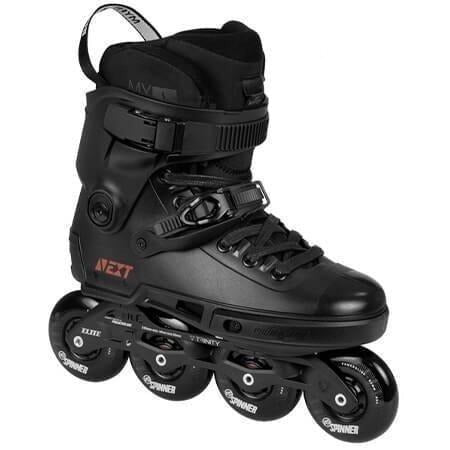
- Product Suggestion: The FR FRX and Flying Eagle F5S are popular choices in this category, offering excellent support, responsive frames, and the durability needed for urban environments. The Powerslide Next series also stands out for its modular design and performance. While slightly more advanced, these can be a great investment for beginners who quickly progress or know they want to explore more dynamic skating styles.
- Other Styles (Advanced): You'll also encounter aggressive skates (for tricks and grinds), speed skates (for racing), and slalom skates (for highly technical cone-weaving). These are highly specialized and generally not recommended for your very first pair of inline skates. Focus on recreational or urban for now!
2. Boot Type: Soft Boot vs. Hard Shell – Comfort vs. Control
The boot is the "shoe" part of your skate, and it comes in two main types:
-
Soft Boot:
- Pros: Generally more comfortable right out of the box, better ventilation, lighter weight. They feel more like a sneaker.
- Cons: Offer less ankle support and energy transfer compared to hard boots. Not ideal for aggressive maneuvers or heavy use.
- Best for: Recreational and fitness skaters who prioritize comfort and breathability for longer, less intense sessions.
-
Hard Shell Boot:
- Pros: Superior ankle support, excellent energy transfer (meaning more of your push goes into propulsion), highly durable, and often more customizable with replaceable liners. They provide a precise fit and feel.
- Cons: Can be less comfortable initially and require a break-in period. Heavier and less breathable than soft boots.
- Best for: Urban/freeride skaters, those who want more control for tricks or faster skating, and anyone seeking maximum support. Many beginners who are serious about progressing often find hard boots beneficial in the long run.
3. Wheel Size and Hardness: Finding Your Roll
The wheels are your direct contact with the ground, and their characteristics significantly impact your ride.
-
Wheel Size (Diameter, measured in mm):
- Smaller Wheels (76mm-80mm): More stable, easier to maneuver, and accelerate quickly. Ideal for beginners as they keep you closer to the ground and offer better control. They are also great for urban skating where quick turns are necessary.
- Medium Wheels (80mm-84mm): A good balance of speed and maneuverability. Many fitness skates fall into this range, offering a smooth ride for longer distances without sacrificing too much agility.
- Larger Wheels (84mm-90mm+): Faster, smoother over rougher terrain, and maintain momentum better. However, they are less stable, harder to control for beginners, and take longer to accelerate. Generally reserved for fitness enthusiasts or speed skaters.
-
Wheel Hardness (Durometer, measured in A):
- Softer Wheels (78A-82A): Offer better grip, absorb vibrations from rough surfaces more effectively, and provide a more comfortable ride. They wear down faster.
- Harder Wheels (84A+): Faster, more durable, and better for smooth surfaces. They offer less grip and shock absorption, meaning you'll feel more of the road's imperfections.
- Beginner Sweet Spot: For your first inline skates, look for wheels in the 80A-84A range. This provides a good balance of grip, comfort, and durability for learning.
4. Frame Material: Connecting Boot to Wheels
The frame holds your wheels and attaches to the boot. Its material affects responsiveness and vibration absorption.
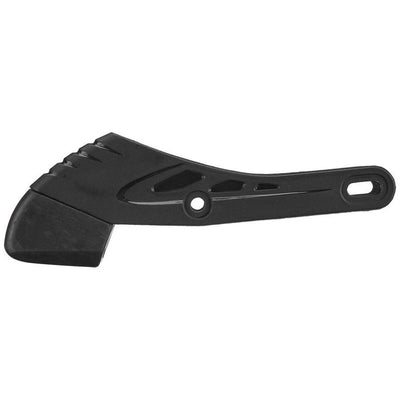
- Aluminum Frames: Common on most quality skates. They are stiff, durable, and provide excellent energy transfer, meaning more of your pushing power goes into forward motion. They can transmit more road vibration.
- Composite/Plastic Frames: Lighter and absorb road vibrations better, offering a slightly smoother ride. However, they are less rigid, which can lead to less efficient power transfer, making them feel a bit "slower." Often found on entry-level recreational skates.
- For Beginners: Either is fine. Aluminum is generally preferred for its durability and performance, especially as you progress.
5. Bearings: The Smoothness of Your Roll
Bearings are the small components inside your wheels that allow them to spin. They are rated using the ABEC scale (1, 3, 5, 7, 9) and sometimes by ILQ (similar but for Twincam bearings) or SG (for Rollerblade's proprietary bearings).
- What it Means: A higher ABEC rating generally indicates tighter tolerances and potentially a smoother, faster roll. However, for beginners, the difference between ABEC 5 and ABEC 7 is negligible in terms of actual speed or performance.
- Beginner Advice: Don't obsess over the ABEC rating too much for your first pair. Focus on getting skates with decent quality bearings (ABEC 5 or 7 is perfectly adequate). What truly matters more is keeping them clean and well-maintained.
6. The Brake: Learning to Stop Safely
Most beginner and recreational skates come with a heel brake attached to the right skate. This is your primary stopping mechanism when you're starting out, and learning to use it effectively is crucial for safety.
- Tip: Practice stopping in a safe, open area before venturing out. Some urban skates (like certain FR or Powerslide models) may not come with a brake pre-installed but often have the option to add one. Always use a brake until you're comfortable with advanced stopping techniques.
7. Fit and Comfort: The Golden Rule!
This cannot be stressed enough: comfort and fit are paramount. Even the most expensive, high-performance skates are useless if they don't fit properly.
- Snug but Not Painful: Your skates should fit snugly, like a firm handshake for your foot, with no significant heel lift when you bend your knees forward. Your toes might lightly brush the front when standing straight, but they should not be cramped or curled.
- Ankle Support: Ensure your ankles feel well-supported. Any wobbling or instability indicates a poor fit or a skate not suited for your foot shape.
- Try Before You Buy (If Possible): While buying online is convenient, if you have the opportunity, visit our Inlinex store in Singapore! Our experienced staff can measure your feet and guide you through trying on different models to find the perfect fit.
- Socks Matter: Always try on skates with the type of socks you intend to skate in – usually thin to medium-thickness athletic socks.
- Break-in Period: Just like new shoes, skates often need a short break-in period. Don't expect them to feel perfect on the very first try, but they shouldn't cause immediate pain.
Essential Accessories for Beginners: Safety First!
Your first pair of inline skates isn't complete without proper protective gear. Safety is non-negotiable!
- Helmet: Absolutely essential. Protect your most important asset.
- Wrist Guards: Your hands will instinctively go out to break a fall. Wrist guards prevent scrapes and fractures.
- Knee Pads: Save your knees from painful impacts.
- Elbow Pads: Protect your elbows from asphalt encounters.
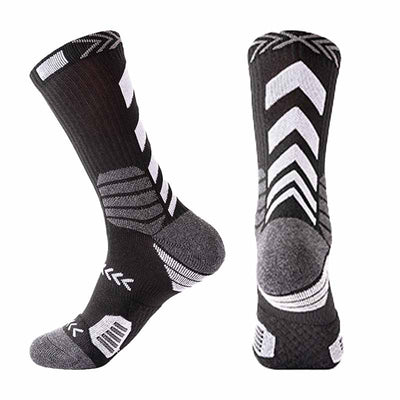
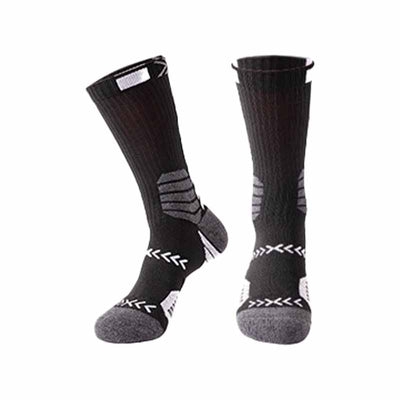
- Comfortable Socks: Good quality, moisture-wicking socks prevent blisters and enhance comfort.
Inlinex offers a wide range of protective gear from leading brands to keep you safe and confident while you learn and progress.
Budgeting for Your First Inline Skates

You don't need to break the bank for your first pair of beginner rollerblades, but it's also wise to avoid the cheapest options. Very inexpensive skates often compromise on quality, comfort, and safety, leading to a frustrating and potentially unsafe experience. A good quality beginner pair, often in the SGD 150-300 range, will offer a much better experience, be more durable, and make learning significantly easier. Consider it an investment in your new hobby!